


Best Pre Workout Foods for Women: Fuel Strength Training Cardio and HIIT for Better Results
A good workout can feel flat before it even starts if you underfuel. Heavy lifts feel heavier, cardio feels harder than it should, and HIIT turns into a fight for survival by round three. Pre workout food does not need to be complicated, but it does need to match the session.
For a healthy woman, the best pre workout foods usually combine carbohydrate for quick energy, some protein for muscle support, and low to moderate fat and fibre so the meal digests comfortably. The right choice also depends on timing. What works 3 hours before strength training may feel awful 20 minutes before sprints.
This guide is general nutrition information, not medical advice. If you have diabetes, gut issues, disordered eating history, pregnancy-related needs, anaemia, or other health conditions, personalised advice from an accredited practising dietitian or sports dietitian is best.
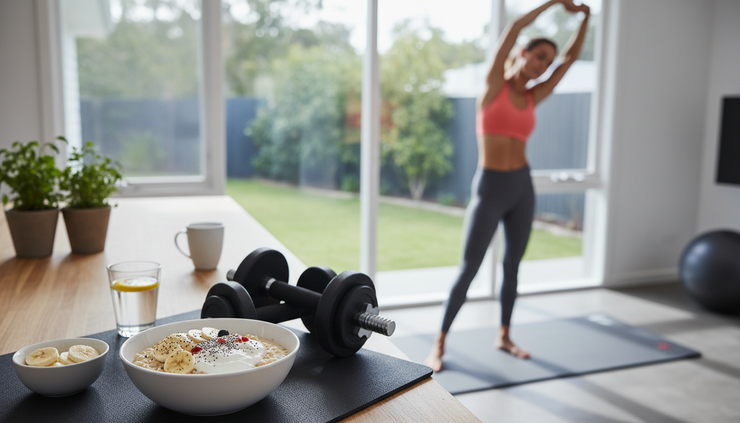
Why pre workout fuel matters
During exercise, the body uses a mix of carbohydrate and fat. Higher-intensity work, such as intervals, hills, hard runs, circuits, and heavy sets, relies heavily on carbohydrate stored as muscle glycogen and available as blood glucose.
The Australian Institute of Sport and Sports Dietitians Australia both recognise carbohydrate as the key fuel for moderate to high intensity training. Protein matters too, especially across the whole day, because it supports muscle repair and adaptation. The American College of Sports Medicine also highlights that active people generally need more protein than sedentary people, spread across meals and snacks.
For many women, underfueling is more common than overfueling around training. This can show up as:
Feeling light-headed during sessions
Struggling to increase weights or pace
Needing more caffeine just to get started
Strong cravings later in the day
Poor recovery between sessions
Disrupted menstrual cycles if energy intake stays too low over time
A single snack will not fix an overall low-energy diet, but good Workout fuel can make a real difference to training quality.
The best timing for pre workout food
The closer you are to training, the simpler the food should be. Your gut needs time and blood flow to digest. During exercise, blood flow shifts towards working muscles, which is why a heavy meal can cause cramps, reflux, or nausea.
Use this timing guide as a practical starting point.
Time before workout | Best choice | Why it works | Examples |
3 to 4 hours | Balanced meal | Gives time to digest while topping up glycogen | Chicken and rice bowl, eggs on toast, tuna pasta, tofu stir-fry with rice |
1 to 2 hours | Carb-rich snack or light meal with some protein | Fuels training without sitting heavily | Greek yoghurt and fruit, oats, smoothie, toast with peanut butter |
30 to 60 minutes | Quick-digesting carbohydrate | Helps blood glucose with less gut load | Banana, crumpet with honey, rice cakes, small fruit smoothie |
Under 30 minutes | Small, simple carb if needed | Useful for early sessions or low energy | Few dates, sports drink, half a banana, small handful of lollies |
Fat, fibre, and very large protein serves slow digestion. They are healthy and useful in the diet, but right before training they can make some people feel sluggish or unsettled.
Best pre workout foods and why they work
Bananas are the easiest quick fuel
Bananas are popular for a reason. They provide carbohydrate, are easy to digest, and travel well. They also contain potassium, an electrolyte involved in muscle and nerve function.
Best timing:
30 to 60 minutes before cardio or HIIT
60 to 90 minutes before strength training, especially with yoghurt or toast
Best use:
One banana before a run
Banana with Greek yoghurt before lifting
Banana blended into a smoothie before a longer session
A banana is better than training fasted for many people because it gives quick carbohydrate without a heavy stomach.
Oats give steady energy for longer sessions
Oats provide carbohydrate plus soluble fibre. That makes them more filling and slower to digest than a banana or sports drink. They suit sessions where you have at least 1 to 2 hours before training.
Best timing:
1.5 to 3 hours before strength training
2 to 3 hours before longer cardio
Not ideal right before HIIT if you are sensitive to fibre
Good combinations:
Rolled oats with milk, banana, and cinnamon
Overnight oats with berries and Greek yoghurt
Quick oats with honey before a morning gym session
Oats are a strong choice when the workout is demanding but not immediate.
Greek yoghurt supports muscle and adds carbs when paired with fruit
Greek yoghurt offers protein, particularly casein and whey, which support muscle protein synthesis across the day. On its own, plain Greek yoghurt may not provide enough carbohydrate for a hard session, so pair it with fruit, muesli, honey, or toast.
Best timing:
1 to 2 hours before strength training
1.5 to 2 hours before cardio
Use a smaller serve before HIIT
Good combinations:
Greek yoghurt with berries and honey
Greek yoghurt with banana and muesli
Smoothie with yoghurt, milk, mango, and oats
This is a practical option for women aiming to build or maintain muscle while still fuelling the session.

Toast, crumpets, and sourdough are reliable before training
Bread-based options are underrated. They are easy to adjust up or down, simple to digest, and provide carbohydrate without much preparation.
Best timing:
1 to 2 hours before any workout
30 to 60 minutes before training if the topping is light
Best toppings:
Honey or jam for fast carbohydrate
Peanut butter for extra satiety, better 1 to 2 hours before
Eggs for protein, better 2 to 3 hours before
Cottage cheese and tomato for a light savoury option
For early morning training, a crumpet with honey can be enough to lift energy without feeling like a full breakfast.
Smoothies work when appetite is low
Some women struggle to eat before early training or after a busy day. Smoothies can solve that because liquids often feel easier to tolerate.
Best timing:
60 to 90 minutes before training
30 to 60 minutes before training if small and low fibre
Balanced smoothie formula:
Milk or soy milk
Banana or mango
Greek yoghurt or protein powder
Oats if training is more than 90 minutes away
Honey if you need extra quick carbohydrate
Soy milk and dairy milk both provide protein. Almond milk is usually much lower in protein unless fortified, so it may need yoghurt or protein powder added.
Rice cakes, and sports drinks help when time is short
When there is less than 30 minutes before training, do not force a full snack. Small, fast carbs are enough.
Best choices:
Rice cakes with honey
Half a banana
Sports drink for long or very intense sessions
Sports drinks are not needed for every gym workout. They are most useful for long sessions, hot conditions, or back-to-back training where carbohydrate and fluid matter more.
What to eat before strength training
Strength training needs more than protein. Protein supports muscle repair, but carbohydrate helps you train harder, complete more quality sets, and maintain intensity.
A good pre strength meal has:
Moderate carbohydrate
20 to 30 grams of protein, if eating a full meal or larger snack
Low to moderate fat
Enough fluid
Best options:
Timing | Food choice | Why it works |
3 hours before | Chicken rice bowl with vegetables | Carbs for glycogen, protein for muscle support |
2 hours before | Eggs on sourdough with fruit | Protein plus steady carbohydrate |
1 hour before | Greek yoghurt with banana and honey | Easy protein and quick carbs |
30 minutes before | Banana or crumpet with jam | Light energy without heaviness |
For heavy lower-body days, such as squats, deadlifts, hip thrusts, or lunges, do not go in underfed. These sessions use large muscle groups and can drain energy quickly.
A practical example:
Training at 6 pm
Lunch at 1 pm with rice, lean protein, and vegetables
Snack at 4:30 pm with yoghurt, banana, and honey
Water across the afternoon
That pattern usually works better than a tiny lunch and a pre workout coffee alone.

What to eat before cardio
Cardio varies a lot. A gentle 30-minute walk does not need the same fuel as a 75-minute run, spin class, or hill session.
For easy cardio under 45 minutes, you may only need your usual meal pattern. If the session is early and you feel good, a small snack or coffee may be enough.
For moderate to hard cardio, especially longer than 45 to 60 minutes, carbohydrate becomes more important.
Best options:
Cardio session | Best pre workout food | Timing |
Easy walk or light cycle | Normal meal or small fruit snack | As preferred |
45-minute run | Banana, toast with honey, or small smoothie | 30 to 90 minutes before |
Long run or ride | Oats with banana, toast and eggs, or rice-based meal | 2 to 4 hours before |
Spin class | Crumpet with jam, yoghurt and fruit, or smoothie | 60 to 120 minutes before |
For cardio in hot Australian weather, fluid matters too. Start hydrated rather than trying to catch up during the session. Pale yellow urine can be a rough sign of good hydration, though supplements and vitamins can change colour.
Add electrolytes if the session is long, hot, or very sweaty. For most shorter sessions, water is enough.
What to eat before HIIT
HIIT is demanding because it pushes the body near maximum effort. Burpees, sprints, assault bike intervals, boxing rounds, and fast circuits draw heavily on carbohydrate. They also bounce the stomach around, so food choice matters.
The goal is quick energy with low gut load.
Best options:
Banana
White toast with honey
Rice cakes with jam
Small fruit smoothie
Sports drink if the session is very hard or close to another workout
Best timing:
2 to 3 hours before Eat a balanced meal with carbs and protein.
60 to 90 minutes before Eat a smaller carb-based snack.
15 to 30 minutes before Use a very small quick carb only if needed.
Avoid large serves of beans, lentils, high-fibre cereal, creamy sauces, fried foods, or huge salads right before HIIT. Those foods can be healthy choices at other times, but they are more likely to cause cramps or nausea during high-intensity work.
A strong HIIT fuelling example:
12:30 pm lunch with rice, salmon or tofu, and vegetables
4:45 pm snack with a banana and yoghurt
6 pm HIIT class
Post workout dinner with carbs, protein, and colourful vegetables
What about coffee and pre workout supplements
Caffeine can improve alertness and may support endurance and high-intensity performance. Many sports nutrition guidelines discuss caffeine as an evidence-backed ergogenic aid. The key is dose and tolerance.
For many people, coffee 30 to 60 minutes before training works well. Too much can cause jitters, anxiety, reflux, or urgent bathroom trips. If sleep is a challenge, avoid caffeine late in the afternoon.
Pre workout powders vary widely. Some contain caffeine, creatine, beta-alanine, sweeteners, and other ingredients. Creatine has strong evidence for strength and power support when taken consistently, but it does not need to be taken right before training. Beta-alanine can cause tingling, which is harmless for many people but uncomfortable for some.
Food should come first. Supplements can help in specific cases, but they do not replace enough carbohydrate, protein, fluid, and total daily energy.
Common pre workout mistakes
The most common issue is eating too little, then wondering why training feels hard. The second is eating the wrong thing too close to the session.
Watch for these patterns:
Training fasted for hard sessions, then overeating at night
Having only coffee before strength training
Eating a high-fat meal too close to cardio
Choosing a huge salad before HIIT and feeling bloated
Forgetting fluids until the workout starts
Copying someone else’s routine without testing it
A useful rule is to practise your fuelling on normal training days, not before a race, fitness test, or heavy personal-best attempt.

Simple pre workout plans for better results
Use these examples as templates.
If training early in the morning
If you have 15 to 30 minutes:
Half a banana
Small glass of juice
Coffee if tolerated
If you have 60 minutes:
Toast with honey
Banana smoothie
Greek yoghurt with fruit
Eat a proper breakfast after training, especially if the session was hard.
If training at lunchtime
Breakfast matters here. Have a balanced breakfast with carbs and protein, then a small top-up if needed.
Good plan:
Breakfast with oats, yoghurt, and fruit
Small snack 30 to 60 minutes before training, such as a banana or rice cakes
If training after work
This is where many people underfuel. Lunch is often too light, and the gap to training is too long.
Good plan:
Lunch with rice, pasta, potato, bread, or wrap plus protein
Snack 1 to 2 hours before training
Water during the afternoon
This simple change can improve energy before the workout even starts.
The key takeaway
The best pre workout food is the food that gives enough energy, digests well, and matches the session. Strength training usually benefits from carbs plus protein. Cardio needs more carbohydrate as duration and intensity rise. HIIT works best with fast, low-fibre carbs close to training.
Start with this simple rule:
Eat a balanced meal 3 to 4 hours before hard training, then add a carb-rich snack 30 to 90 minutes before if you need it.
From there, test and adjust. Better fuelling is not about eating perfectly. It is about giving your body enough of the right energy to train hard, recover well, and keep getting stronger.


Comments